So literally the day after my iPhone 16 Pro Max arrived, I jumped on a plane and I’ve been traveling around using this thing in different environments for hours every day. As I reflect on my experiences, The Truth About the iPhone 16 Pro Max After a Month of Use! perfectly captures what I’m about to share—there are a few things I’ve realized that you should probably know.
Life of Battery: Highly Impressive Surprises
Let us start with something that is very important, not just to me, but most probably you as well: battery life. It is surprisingly good, and this sounds odd considering that every year, Apple boasts about how its battery life is much better than the previous last year’s effects from the iPhone. Well, this time they delivered.
Key Differences Contributing to Better Battery Life
There are three main reasons for this improved battery life:
- Larger Battery Pack: The actual battery pack is 6% bigger on this year’s Pro Max.
- Improved Chassis: The chassis has been modified to improve thermal performance, meaning less power is wasted when doing more complicated tasks.
- Efficient A18 Pro Chip: The A18 Pro chip is significantly more efficient, and Apple claims it uses 20% less power than last year’s A17 Pro.
Real-World Testing of Battery Life
In my own testing, I found the 16 Pro Max provided me roughly 1 to 2 hours of additional battery life over the 15 and 14 versions. This is of course longer if you’re just watching videos or web browsing, for example. Don’t take my word for it either—there are plenty of battery tests out there showing a similar result. I would know because I spent hours researching before this video.
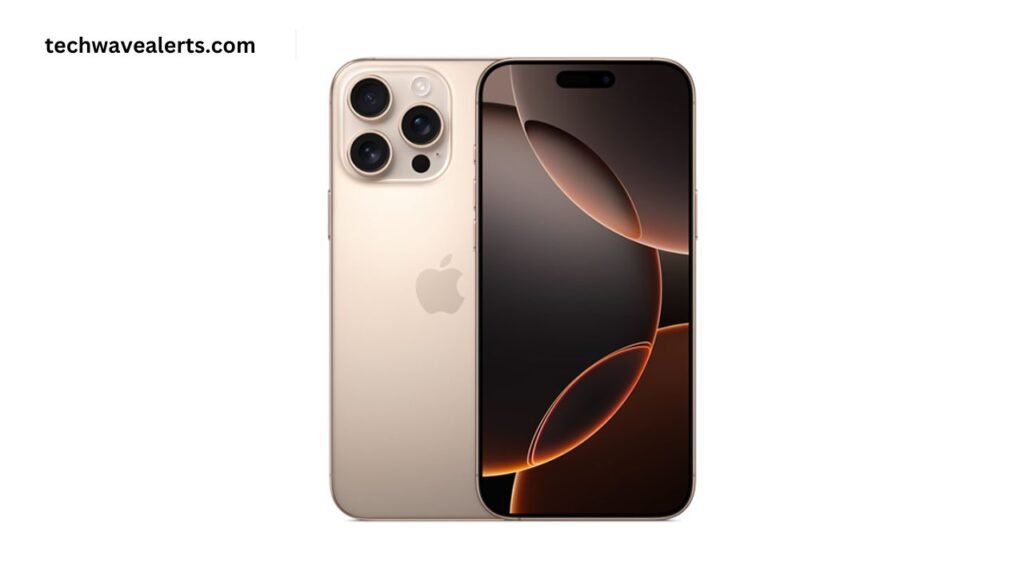
Battery Performance During Travel
How do these numbers translate into real-life usage? Well, 90% of the time, you’re just going from home to school or work, and battery life isn’t really a concern. But what about that 10% where battery life is crucial, like watching cat videos on a plane? Here’s an example: when I go overseas, my service provider has a roaming package, so I can use my plan in a different country. It’s nice and simple, and I don’t have to organize a foreign SIM card. However, roaming noticeably tanks my battery, with an instant 15 to 20% decrease in capacity. Also, in some countries, the cellular signal isn’t that great, so the phone has to work harder to stay connected to a 4G or 5G network.
The Battery Experience While Traveling
Add to that the typical things you do when traveling, like watching videos for 10 hours straight on an airplane, taking tons of photos and videos, and just general iPhone usage. On my previous iPhone 15 Pro Max, I’d get back at the end of the day with sometimes just 10 to 20% of battery life remaining. I recall looking at my battery percentage multiple times during the trip and thinking, “Wow, I should not have that much left.” On the 16 Pro Max, it was more like 30 to 40%.
One example that comes to mind is a day in Ubud, Bali. Myself and a few friends rented scooters and spent hours driving around looking at different waterfalls. I had Google Maps open, screen brightness set to 100%, was constantly going into poor reception areas, and the phone was in the full, hot Indonesian sun for like 5 hours. I think it only used up maybe 25% of the battery.
Everyday Use: Long Battery Life for Regular Tasks
For those of you not traveling and just using the phone normally, it’s a pretty similar experience. You’ll just notice how slowly that little battery percentage in the corner ticks down during the day. Overall, it was really refreshing; I was never worried about not having enough battery life or having to constantly carry a portable battery.
Camera Control Button: A Mixed Experience
Now, speaking of control and how it works, I’m not going to waste your time recapping what it can do. But have I actually used it since buying the 16 Pro Max? No, not at all, and I’ll explain. First off, I had an iPhone 4 in 2011—my first iPhone. Furthermore, there never existed an iPhone which had a button here; you literally have to reverse more than ten years of learnt outward muscle memory just to start using camera control. And when you finally remember to use it, it’s just not that great.
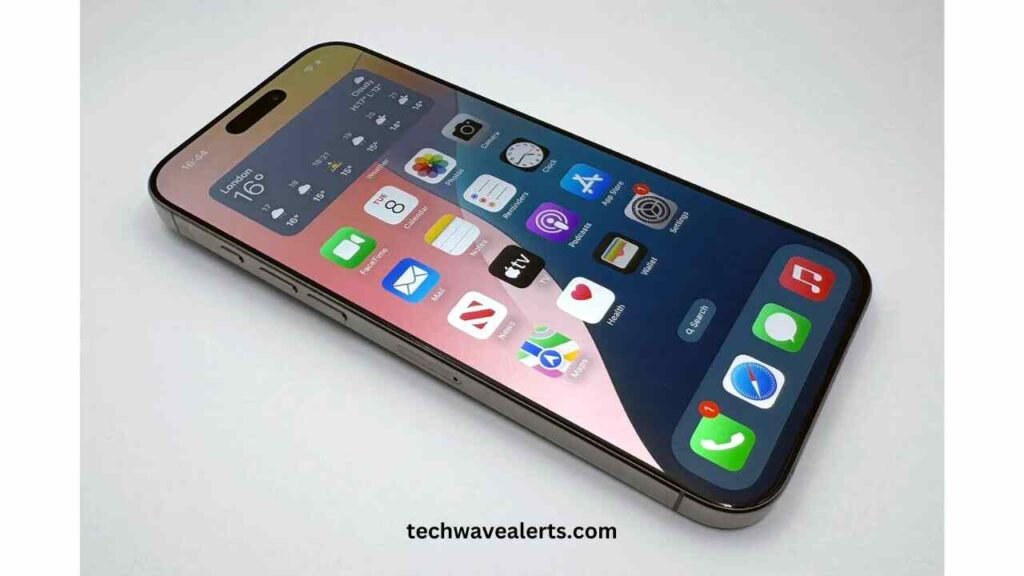
Challenges with the Camera Control Button
This is how I usually hold my iPhone when taking landscape shots, and this is how I have to hold it to use camera control. It just feels so unnatural, and on the much larger 16 Pro Max, you really start to notice it. Sometimes, swiping left or right to make small changes to zoom or exposure can be tricky—like over-correcting and then having to dial it back. It just feels like the sensitivity has a mind of its own.
Familiar Method: Using Volume Buttons for Photos
Funnily enough, holding the phone like I have been for the last 10 years and using the volume buttons to take a photo feels so much more stable and solid. But the biggest con to this button, in my opinion, is that 95% of the time I’m holding the phone like this when the camera app is open, so the button is completely covered up anyway.
Future Potential of the Camera Control Button
That being said, I am interested to see how Apple develops this button. It’s clear they are trying to turn the iPhone into a point-and-shoot camera replacement, and camera control is the latest step towards that. But until then, yeah, I’m sure some people will love it, but for me personally, I just use it as a camera shortcut button, and that’s it.
Camera Comparison: iPhone 16 Pro Max vs. Previous Models
Speaking of the camera, there’s no major difference between the 16 Pro Max and the 15 Pro Max’s camera. The only minor differences are the ability to shoot in 120 FPS 4K, including in ProRes log (up from 60 FPS on the 15 Pro Max), and a slightly upgraded ultrawide camera. But these aren’t really upgrades.
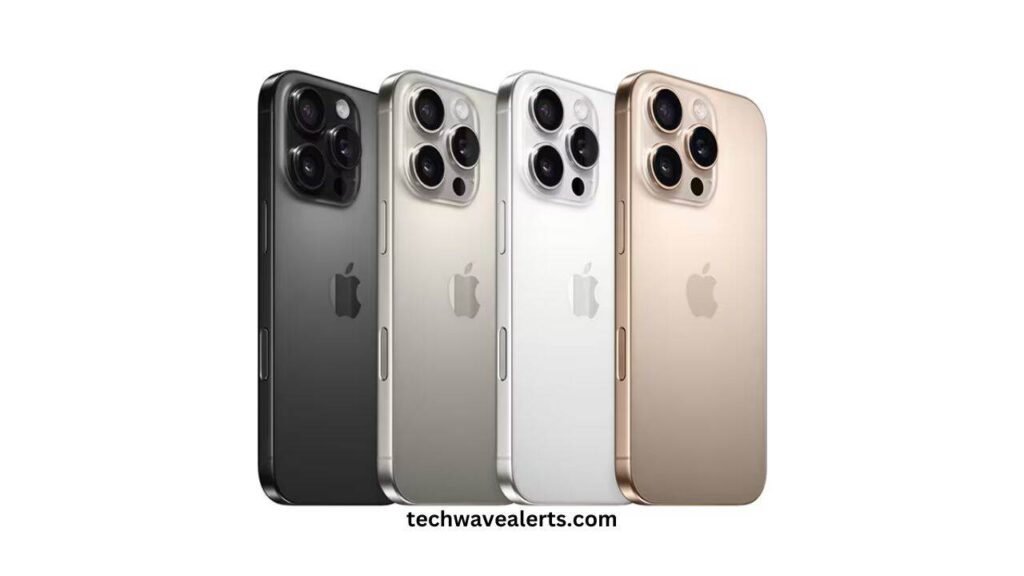
Ultrawide Camera and 4K Features
If you want to shoot log video on the iPhone, which most people are going to choose if they’re shooting in ProRes, you still need an external drive to unlock anything above 30fps unless you use a third-party app. As for the ultrawide camera, the images taken on the 13mm lens are slightly sharper and have more detail, but only if you zoom in a lot or print them out. If you just keep the photos on your phone or upload them to social media, there’s no noticeable difference.
The Impact of the Camera Improvements
Initially, I was a bit disgruntled, but once I’d gone through some of the pictures and videos shot over the last weeks, I was astounded. We easily lose sight of how fast smartphone cameras have advanced and just expect enormous leaps every year, which just isn’t realistic. If you told me these images were captured on a $5,000 camera setup, I would totally believe you.
Conclusion: Notable Improvements in the iPhone 16 Pro Max
Even though I think the camera quality between the 15 and 16 Pro Max is almost identical, there’s a noticeable difference between the 16 Pro Max and the 14 Pro, and in general, if you compare the 16 to the 14 (a 2-year gap), the iPhone has made some big improvements during that time.
Major Features of the iPhone 16 Pro Max
- USB-C with Fast 10 GB Transfer Speeds: Finally, we got USB-C, which provides much faster transfer speeds and also unlocks nearly any USB-C access.
- Increased Customizability via the Action Button: The action button now provides even more flexibility.
- Studio Mic Array: The Pro Max features an impressive studio-quality mic array that almost sounds as good as my $1,000 professional studio mic.
Conclusion
I’m not advocating that folks who have a 15 or 14 must upgrade to the 16 Pro, but I would find it pretty difficult not to be swayed if I still had a model like the 13, 12, or older. Particularly if you are someone like me who is inclined to stretch every last ounce out of the phone, especially the photography and videography functions. Follow for more updates on Tech Education.