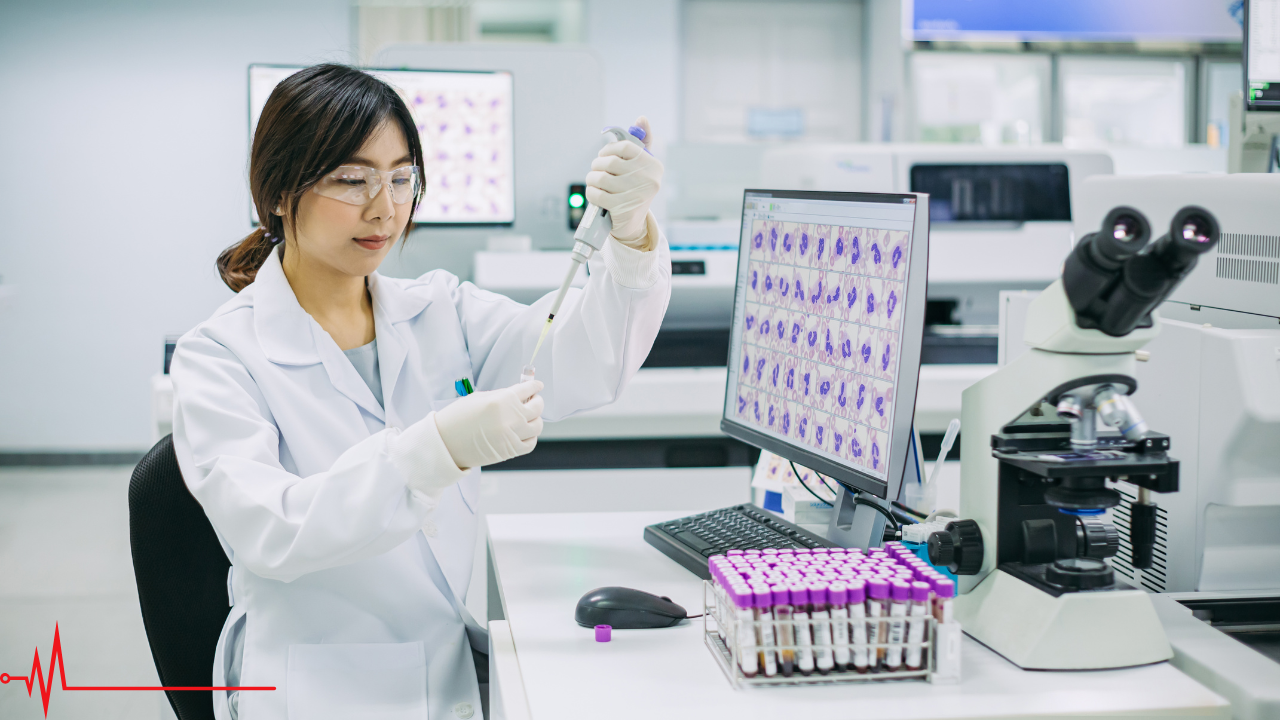
Have you ever stopped to think about how much medical science has changed in just the last few decades? It’s truly mind boggling. What was once the stuff of science fiction is now becoming an everyday reality in hospitals and clinics around the world. We’re living through a golden age of medical innovation, where incredible developments in medical technology are not just improving healthcare they’re completely reinventing it. From the way a doctor diagnoses a disease to the very fabric of how we stay healthy, technology is the engine of a revolution.
In this blog post, we’ll take a deep dive into some of the most profound and exciting developments that are making it possible to achieve things in medicine that were once considered impossible. We’ll explore the power of artificial intelligence, the precision of robotic surgery, the promise of personalized medicine, and the transformative potential of genetic and cellular therapies. So, let’s embark on this journey to understand how the future of healthcare is being built, one innovation at a time.
The Unseen Revolution: Artificial Intelligence and Machine Learning
When you hear “artificial intelligence,” you might think of a futuristic robot, but in medicine, its presence is far more subtle and profoundly impactful. AI and machine learning are the silent partners in a growing number of medical procedures and decisions, acting as powerful tools that can analyze, predict, and assist in ways we’ve never seen before.
The Diagnostic Powerhouse: One of the most significant applications of AI is in diagnostics. For a human radiologist, reviewing thousands of medical images X-rays, CT scans, MRIs is a time-consuming and mentally taxing process. AI systems, however, can be trained on millions of these images. They can then process new images in seconds, not only spotting subtle patterns and anomalies that might be missed by the human eye but also highlighting areas of concern for the doctor to review. This is not about replacing the radiologist; it’s about giving them a superpower. AI is now a critical tool in the early detection of diseases like certain cancers, diabetic retinopathy, and neurological conditions, leading to faster and more accurate diagnoses and, ultimately, better patient outcomes.
Accelerating Drug Discovery: The process of discovering and bringing a new drug to market is notoriously long and expensive, often taking over a decade and billions of dollars. AI is dramatically changing this landscape. By using machine learning algorithms, scientists can simulate how millions of different chemical compounds will interact with the human body on a molecular level. This allows them to quickly identify the most promising candidates, predict their efficacy and potential side effects, and optimize their structure, drastically shortening the time it takes to get to the clinical trial phase. This acceleration means that new, life-saving medications could reach patients much sooner than ever before.
Predictive Healthcare: Imagine a world where your doctor could predict your risk of developing a serious illness years in advance, based on your genetic information, lifestyle data, and medical history. This is no longer a fantasy. AI algorithms are being developed to analyze these vast datasets to identify individuals at high risk, allowing for proactive, preventative interventions rather than reactive treatment. This shift from a reactive to a proactive model of care is perhaps one of the most powerful changes being driven by technology today.
Redefining Surgical Precision: The Age of Robotics and Immersive Technology
For centuries, surgery has been a practice of immense skill and precision, relying on the steady hands and keen eyes of a surgeon. Today, these human skills are being augmented by a new class of tools: surgical robots.
Robotic-Assisted Surgery: These systems, like the famous da Vinci surgical robot, aren’t autonomous. A surgeon operates them from a console, guiding the robot’s arms that are equipped with small, specialized instruments. The robot’s capabilities far exceed what a human hand can do. It can translate the surgeon’s movements into smaller, more precise motions, and it filters out any natural hand tremors.The high-definition 3D camera gives surgeons a clear, close-up view of the surgical area, allowing them to see details like never before. This means they can make smaller cuts, lose less blood, lower the risk of infection, and help patients recover much faster. Procedures that were once highly invasive and required a long hospital stay can now be performed with minimal disruption to the patient’s life.
Virtual and Augmented Reality in Medicine: The revolution in surgical training and planning is happening with the help of VR and AR. Surgeons can now step into a virtual operating room to practice complex procedures on a digital patient, repeating the process until they achieve perfection without any risk. AR, on the other hand, allows surgeons to overlay a patient’s CT scans or MRI images directly onto their body during an operation, giving them a “see-through” view to help navigate delicate anatomical structures with greater accuracy. This technology is also being used for patient education and pain management, offering immersive, calming experiences to distract patients from discomfort and anxiety.
The Ultimate Customization: Personalized Medicine and Wearable Health
Throughout most of medical history, treatments were developed to suit the “average” patient rather than tailored to individual needs. But we are all unique, and our bodies respond to treatments differently. This understanding is the driving force behind a truly transformative development: personalized medicine.
Genomics and Tailored Treatments: At the heart of personalized medicine is the field of genomics the study of our DNA. By analyzing a patient’s genetic makeup, doctors can determine how they will metabolize a certain drug. A medication that is highly effective for one person might be completely ineffective or even harmful to another. Genetic testing makes it possible to select the right drug at the right dose for each individual, maximizing its effectiveness and minimizing side effects. This approach is already being used in oncology, where doctors can identify specific genetic mutations in a tumor and select targeted therapies that are designed to attack only those specific cancer cells, sparing healthy tissue.
The Rise of Wearable Technology: The shift toward personalized care is being supported by a growing army of wearable devices. Your smartwatch isn’t just a gadget; it’s a powerful health monitor. It can track your heart rate, monitor your sleep patterns, measure your blood oxygen levels, and even detect irregular heart rhythms like atrial fibrillation (Afib) with remarkable accuracy. This real-time, continuous stream of data provides doctors with a comprehensive picture of a person’s health, allowing for the early detection of potential problems. It also empowers individuals to become more engaged in their own well-being, making small, data-informed changes to their lifestyle that can have a huge impact on their long-term health.
Pushing the Boundaries: Gene Therapy, 3D Printing, and the Future
While AI, robotics, and personalized medicine are already making a significant impact, the developments in medical technology are far from over. The horizon is filled with even more audacious innovations.
Gene-Editing with CRISPR: One of the most talked-about technologies is CRISPR-Cas9, a revolutionary gene-editing tool. CRISPR makes it possible to precisely edit specific sections of DNA. This holds immense promise for treating genetic diseases by correcting the underlying genetic fault. While still in its early stages and facing ethical considerations, CRISPR could one day be used to cure conditions like cystic fibrosis, sickle cell anemia, and certain forms of muscular dystrophy.
3D Printing in Medicine: The world of 3D printing, or additive manufacturing, has found a perfect home in medicine. This technology is being used to create incredibly precise, patient-specific implants and prosthetics, perfectly tailored to an individual’s anatomy. Surgeons are also using 3D-printed models of a patient’s organs to practice a complex surgery beforehand. In the most advanced forms of this technology, called “bioprinting,” scientists are even attempting to print biological tissues and organs, a development that could one day solve the global organ donor shortage.
The Interconnected Clinic: The future of healthcare is also about seamless connectivity. Telemedicine, already a rapidly growing field, will become even more integrated into our lives, allowing for remote consultations and monitoring. The Internet of Medical Things (IoMT) will connect everything from smart hospital beds to remote patient sensors, creating a network that provides doctors with real-time data to make better, faster decisions.
The Human Touch Still Matters Most
Even with all these groundbreaking innovations, it’s essential to remember that technology is just a tool it can never replace genuine human care. The trust between doctor and patient, a nurse’s compassion, and the seasoned judgment of an experienced surgeon will always remain at the core of healthcare. These advancements are designed to support and enhance the human side of medicine, not take it away.
Today’s medical technology allows us to spot illnesses earlier, treat them more effectively, and prevent them with unmatched precision. It reflects our creativity, determination, and ongoing drive to live healthier, longer, and better lives. We’re witnessing the future of medicine unfold in real time, and the opportunities ahead are nothing short of extraordinary.
Conclusion
The journey through today’s world of medical technology shows us a field that’s evolving at an incredible pace. What once belonged to the realm of science fiction is now shaping a new era in healthcare. From AI’s sharp analytical skills and the unmatched accuracy of robotic surgery to the life-changing potential of personalized medicine and genetic therapies, these innovations are redefining what’s possible in medicine.
But this revolution isn’t just about fancy new tools it’s about making healthcare smarter, more accurate, and more compassionate. It’s shifting the focus from a one-size-fits-all approach to care that’s proactive and tailored to each patient. And while our tools keep getting more advanced, the heart of medicine remains unchanged: the commitment to heal and improve lives.
Looking ahead, the partnership between human expertise and cutting-edge technology will only grow stronger, opening doors to breakthroughs we can barely imagine today. The future holds faster cures, smarter treatments, and a deeper understanding of the human body. We’re standing at the start of a new era one where medical technology is paving the way to a healthier, brighter future for everyone.
What is the newest field of medicine?
One of the newest and fastest-growing fields in medicine is precision medicine. This approach tailors treatments to an individual’s genetic makeup, lifestyle, and environment, offering highly personalized care. Other emerging areas include regenerative medicine, which focuses on repairing or replacing damaged tissues and organs, and digital therapeutics, which uses technology-based solutions to treat health conditions.
What recent discovery was made in the field of medicine?
A recent breakthrough in medicine is the development of mRNA-based cancer vaccines. Building on the same technology used for COVID-19 vaccines, researchers are now using mRNA to train the immune system to target specific cancer cells. Early trials have shown promising results in preventing cancer recurrence and improving patient outcomes.
What was the biggest medical advancement?
Throughout history, there have been many significant advancements, but antibiotics are often considered one of the most impactful. They revolutionized the treatment of bacterial infections, saving millions of lives. In modern times, breakthroughs like organ transplantation, robotic surgery, and gene-editing technologies (such as CRISPR) have transformed what’s possible in healthcare.
How has medical technology changed?
Medical technology has evolved from basic diagnostic tools to highly advanced, AI-powered systems. Today, doctors can use artificial intelligence to analyze scans, perform minimally invasive robotic surgeries, and even predict diseases before symptoms appear. These innovations have made healthcare more accurate, less invasive, and more accessible, ultimately improving patient care and survival rates.